Unlocking the Secrets of Mood Stones: A Guide to Understanding Their Power
Mood stones have captivated people for centuries, offering a fascinating intersection between geology, psychology, and spirituality. These remarkable gemstones have become increasingly popular in recent years, appearing in jewelry collections, wellness practices, and personal development routines worldwide. Whether you're a seasoned crystal enthusiast or a curious newcomer, understanding the true nature and potential of mood stones can open up new perspectives on how we interact with the natural world and ourselves.
The allure of mood stones lies in their unique ability to seemingly respond to our emotional states, changing color in response to body temperature and environmental factors. This guide will take you on a comprehensive journey through the world of mood stones, exploring their history, scientific properties, cultural significance, and practical applications. By the end of this exploration, you'll have a deeper understanding of what makes these stones so special and how you can incorporate them into your life in meaningful ways.
The History and Origins of Mood Stones
The story of mood stones is a fascinating blend of ancient traditions and modern innovation. While the concept of stones holding special properties dates back thousands of years, mood stones as we know them today are a relatively recent invention. Understanding their history helps us appreciate both their cultural significance and their contemporary appeal.
Ancient Beliefs About Gemstones
Long before mood stones were created, ancient civilizations held deep beliefs about the power of gemstones. The Egyptians, Greeks, Romans, and various Asian cultures all attributed special properties to different stones. These weren't necessarily mood stones in the modern sense, but rather gemstones believed to influence emotions, health, and spiritual well-being.
In ancient Egypt, lapis lazuli was considered a stone of wisdom and truth, while carnelian was believed to promote courage and vitality. The Greeks associated different stones with different gods and goddesses, believing that wearing these stones could invoke divine protection and guidance. These early beliefs laid the groundwork for our modern understanding of how stones might interact with human consciousness and emotion.
The Development of Modern Mood Stones
The actual mood stone as we know it today was developed in the 1970s. These stones are typically made from a thermochromic material, often a liquid crystal compound, that changes color in response to temperature fluctuations. The innovation came from the jewelry industry's desire to create something unique and interactive that would appeal to consumers.
The original mood stones were created by coating a stone or cabochon with a special thermochromic material that would shift colors based on body temperature. When worn as jewelry, the stone would respond to the wearer's body heat, creating the illusion that it was responding to their emotional state. This clever marketing concept combined scientific innovation with the ancient appeal of gemstones, creating something entirely new.
The Evolution of Mood Stone Technology
Since their introduction in the 1970s, mood stone technology has evolved significantly. Modern mood stones are more sophisticated, with better color-changing properties and greater durability. Some contemporary mood stones use advanced thermochromic compounds that provide more dramatic and varied color changes than their predecessors.
The technology has also expanded beyond simple jewelry. Today, you can find mood stones in various forms: rings, necklaces, bracelets, decorative objects, and even clothing accessories. Some manufacturers have developed mood stones that respond not just to temperature but to other environmental factors, creating even more complex and interesting color-changing effects.
Understanding the Science Behind Mood Stones
To truly unlock the secrets of mood stones, we must understand the science that makes them work. While the popular belief is that mood stones respond directly to emotions, the reality is more nuanced and grounded in physics and chemistry.
Thermochromic Materials and How They Work
The core of any mood stone's functionality lies in thermochromic materials. These are substances that change color in response to temperature changes. The most common thermochromic compounds used in mood stones are liquid crystals, which are organic compounds that exhibit properties between those of conventional liquids and solid crystals.
Liquid crystals are sensitive to temperature because their molecular structure changes as heat increases or decreases. These structural changes affect how the material reflects and absorbs light, resulting in visible color changes. When a liquid crystal is heated, it might shift from blue to green, and as it cools, it might shift back to blue or change to another color entirely.
The color-changing range of mood stones typically spans from cool colors like blue and green at lower temperatures to warmer colors like amber, orange, and red at higher temperatures. This range is carefully calibrated during manufacturing to ensure that the stones change colors within the normal range of human body temperature variations.
Body Temperature and Emotional States
The connection between body temperature and emotional states is where the "mood" aspect of mood stones comes into play. While mood stones don't directly detect emotions, they do respond to physiological changes that often accompany emotional states.
When we experience strong emotions, our bodies undergo various physiological changes. Excitement, anxiety, or stress can cause our body temperature to rise slightly, while relaxation and calm can cause it to decrease. Additionally, blood flow patterns change with emotional states, affecting the surface temperature of the skin where jewelry is worn.
This is why mood stones are marketed as emotion indicators. When you're excited or stressed, your body temperature might rise slightly, causing the stone to shift to warmer colors. When you're calm and relaxed, your body temperature might drop, causing the stone to shift to cooler colors. However, it's important to understand that the stone is responding to temperature, not directly to emotion.
The Limitations of Temperature-Based Detection
Understanding the limitations of mood stones is crucial for a realistic appreciation of their properties. Body temperature fluctuations are influenced by many factors beyond emotional state, including:
Environmental temperature changes affect how much heat your body retains and how efficiently it cools. A warm room will cause your body temperature to rise, potentially changing your mood stone's color regardless of your emotional state. Similarly, cold environments will cause temperature drops that have nothing to do with your mood.
Physical activity significantly impacts body temperature. Exercise, even mild movement, increases metabolic rate and body heat. This means that a mood stone might change color simply because you've been moving around, not because your emotional state has changed.
Time of day influences body temperature through circadian rhythms. Your body temperature naturally fluctuates throughout the day, typically being lowest in the early morning and highest in the late afternoon. This natural variation can cause mood stone color changes that don't correlate with emotional changes.
Caffeine and other substances affect body temperature regulation. Consuming hot or cold beverages, caffeine, alcohol, or other substances can influence your body temperature and therefore your mood stone's color.
Health conditions and medications can affect body temperature regulation, potentially causing mood stone color changes that don't reflect your actual emotional state.
The Spiritual and Metaphysical Perspective
While the scientific explanation of mood stones is grounded in thermochromics and body temperature, many people are drawn to mood stones for their spiritual and metaphysical properties. Understanding this perspective is important for appreciating why mood stones hold such significance for many individuals.
Chakras and Energy Systems
In many spiritual traditions, particularly those influenced by Eastern philosophies, the body is believed to have energy centers called chakras. Different chakras are associated with different colors, emotions, and aspects of human experience. Mood stones are often incorporated into chakra work, with practitioners believing that the color changes reflect shifts in their energy and emotional balance.
The seven main chakras are typically associated with specific colors: red for the root chakra, orange for the sacral chakra, yellow for the solar plexus chakra, green for the heart chakra, blue for the throat chakra, indigo for the third eye chakra, and violet for the crown chakra. When a mood stone changes colors, some practitioners interpret this as reflecting which chakra is most active or in need of attention.
Crystal Healing Traditions
Crystal healing is an ancient practice that attributes healing properties to various gemstones and crystals. In this tradition, different stones are believed to have different vibrational frequencies that can influence human health and well-being. Mood stones fit into this framework as stones that can help us become more aware of our emotional and energetic states.
Practitioners of crystal healing often use mood stones as tools for self-awareness and emotional regulation. By observing how a mood stone changes color throughout the day, they believe they can gain insights into their emotional patterns and energy fluctuations. This practice, while not scientifically validated, can serve as a useful tool for mindfulness and self-reflection.
The Power of Intention and Belief
One of the most significant aspects of mood stones from a spiritual perspective is the role of intention and belief. Many spiritual traditions recognize that our beliefs and intentions have real effects on our experience of reality, even if these effects aren't measurable through conventional scientific methods.
When someone uses a mood stone with the intention of becoming more aware of their emotional state, they may indeed become more attuned to their feelings and bodily sensations. This increased awareness can lead to genuine benefits in terms of emotional regulation and self-understanding. In this sense, the mood stone serves as a tool for focusing intention and attention rather than as a direct cause of emotional change.
Types of Mood Stones and Their Characteristics
There are several different types of mood stones available in the market, each with its own unique characteristics and color-changing properties. Understanding these variations can help you choose the mood stone that resonates most with you.
Traditional Liquid Crystal Mood Stones
The most common type of mood stone uses liquid crystal technology. These stones typically display a range of colors from blue at cooler temperatures to green, amber, and red at warmer temperatures. The color transitions are usually smooth and gradual, creating a beautiful visual effect as the stone responds to temperature changes.
Traditional liquid crystal mood stones are relatively affordable and widely available. They're durable enough for everyday wear in jewelry and can maintain their color-changing properties for several years with proper care. However, they can be sensitive to extreme temperatures and may lose their effectiveness over time if exposed to harsh conditions.
Alexandrite-Style Mood Stones
Some mood stones are designed to mimic the properties of alexandrite, a rare and expensive gemstone that changes color under different lighting conditions. These synthetic versions use thermochromic technology to create similar color-changing effects. They typically shift from green or blue in cooler conditions to red or pink in warmer conditions, similar to natural alexandrite.
Alexandrite-style mood stones appeal to those who appreciate the aesthetic of color-changing gemstones but want a more affordable option. They're often used in high-end jewelry pieces and can be quite striking in appearance.
Mood Stone Rings and Jewelry
Mood stone rings are among the most popular applications of this technology. A mood stone ring typically features a thermochromic stone set in a metal band, often sterling silver, gold, or other precious metals. The ring's design can range from simple and elegant to ornate and decorative.
Mood stone rings are particularly effective at demonstrating the color-changing properties because the ring is in constant contact with your skin, allowing for continuous temperature monitoring. Many people wear mood stone rings as conversation pieces or as tools for self-awareness and emotional exploration.
Mood Stone Necklaces and Pendants
Mood stone necklaces and pendants offer another popular way to wear these fascinating stones. A pendant mood stone hangs close to the body, typically near the heart, making it well-positioned to respond to body temperature changes. Necklaces can be designed in various styles, from minimalist and modern to ornate and spiritual.
Some people choose mood stone necklaces specifically for their spiritual significance, believing that wearing the stone near the heart chakra enhances its energetic properties. Whether or not this belief has scientific validity, wearing a mood stone necklace can serve as a meaningful reminder to check in with your emotions throughout the day.
Mood Stone Bracelets and Anklets
Bracelets and anklets featuring mood stones are also available, though they may be less effective than rings or necklaces due to their distance from the body's core temperature. However, they can still show noticeable color changes and serve as attractive accessories with the added benefit of mood-tracking properties.
Decorative Mood Stones
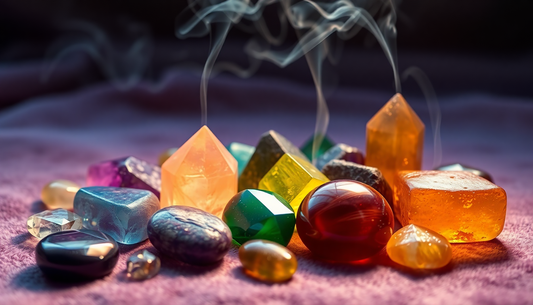
Beyond jewelry, mood stones are also available as decorative objects. These might include mood stone pyramids, spheres, or other geometric shapes designed to sit on a desk, shelf, or altar. While these decorative pieces don't have the advantage of being in contact with your body, they can still respond to ambient temperature changes and serve as interesting visual elements in your space.
How to Use Mood Stones Effectively
To truly unlock the power of mood stones, it's important to understand how to use them effectively. Whether you're approaching them from a scientific, spiritual, or practical perspective, there are several ways to incorporate mood stones into your life.
Wearing Mood Stones as Jewelry
The most common way to use mood stones is to wear them as jewelry. A mood stone ring, necklace, or bracelet can serve as a constant companion throughout your day, providing ongoing feedback about your emotional and physical state.
To use a mood stone ring effectively, pay attention to how the color changes throughout your day. Notice which colors appear when you're stressed, calm, excited, or focused. Over time, you may begin to recognize patterns in how your mood stone responds to different situations and emotional states. This awareness can help you develop greater emotional intelligence and self-understanding.
When wearing a mood stone necklace or pendant, you might periodically check in with the stone's color and use it as a prompt for mindfulness. When you notice the stone has changed color, take a moment to pause and reflect on your current emotional state. This simple practice can help you become more aware of your feelings throughout the day.
Using Mood Stones for Meditation
Mood stones can be incorporated into meditation practices as focal points for attention and intention. Hold a mood stone in your hand during meditation and observe how its color changes as you move through different states of consciousness and relaxation.
Some practitioners use mood stones to track their progress in meditation, believing that the stone's color reflects their level of calm and centeredness. Whether or not this belief is scientifically accurate, using a mood stone as a meditation focal point can enhance your practice by giving your mind something to focus on and creating a tangible connection between your inner state and the external world.
Incorporating Mood Stones into Crystal Grids
In crystal healing practices, mood stones can be incorporated into crystal grids, which are geometric arrangements of stones believed to amplify and direct energy. A mood stone might be placed at the center of a grid or at specific points within the arrangement.
If you're interested in crystal grid work, you might create a grid designed to promote emotional balance and self-awareness, with a mood stone as the central focal point. As you meditate with the grid, observe how the mood stone's color changes and use these changes as prompts for deeper reflection on your emotional state.
Using Mood Stones for Emotional Awareness
Perhaps the most practical application of mood stones is using them as tools for emotional awareness and self-reflection. By regularly observing your mood stone's color changes, you can develop a more nuanced understanding of how your emotions and physical state fluctuate throughout the day.
Keep a journal of your mood stone's colors and your corresponding emotional states. Over time, you may notice patterns that help you understand your emotional triggers and responses. This information can be valuable for personal growth and emotional regulation.
Gifting Mood Stones
Mood stones make meaningful gifts for friends and loved ones. A mood stone ring or necklace can serve as a reminder to the recipient to check in with their emotions and practice self-awareness. When giving a mood stone as a gift, you might include a note explaining its properties and suggesting ways they can use it for emotional exploration and growth.
The Psychology of Mood Stones
Beyond the physical and spiritual aspects of mood stones, there's an interesting psychological dimension to their appeal and effectiveness. Understanding this psychology can help us appreciate why mood stones resonate with so many people.
The Placebo Effect and Positive Expectations
The placebo effect is a well-documented phenomenon in psychology where a treatment produces beneficial effects simply because the person receiving it believes it will work. Mood stones can benefit from the placebo effect in several ways.
When someone wears a mood stone with the expectation that it will help them become more aware of their emotions, they may indeed become more emotionally aware. This increased awareness isn't a direct result of the stone's properties but rather a result of the person's heightened attention to their emotional state. However, the benefit is real and valuable regardless of its mechanism.
The placebo effect isn't a negative thing in this context. If a mood stone helps someone become more emotionally aware and develop better emotional regulation skills, the mechanism by which this happens is less important than the actual benefit achieved.
Mindfulness and Present-Moment Awareness
Using a mood stone can serve as a mindfulness practice, helping you become more present and aware in the moment. When you pause to observe your mood stone's color, you're essentially practicing a form of mindfulness meditation, bringing your attention to the present moment and your current state.
This practice of checking in with your mood stone throughout the day can help break habitual patterns of distraction and rumination. By regularly redirecting your attention to the present moment and your emotional state, you can develop greater emotional resilience and well-being.
The Power of Ritual and Symbolism
Humans are deeply symbolic creatures, and rituals hold significant psychological power. Using a mood stone as part of a daily ritual—whether it's checking the stone's color each morning, meditating with it, or simply touching it when you need grounding—can provide psychological benefits through the power of ritual and symbolism.
A mood stone can serve as a symbolic reminder of your commitment to emotional awareness and self-care. Each time you interact with the stone, you're reinforcing your intention to be more mindful and emotionally intelligent. This repeated reinforcement can have real effects on your behavior and emotional patterns over time.
Cognitive Biases and Pattern Recognition
Our brains are naturally inclined to recognize patterns, even when they might not be